 The Pocket Trichologist
Why am I losing more hair than usual?
Understanding hair shedding and when to seek help.
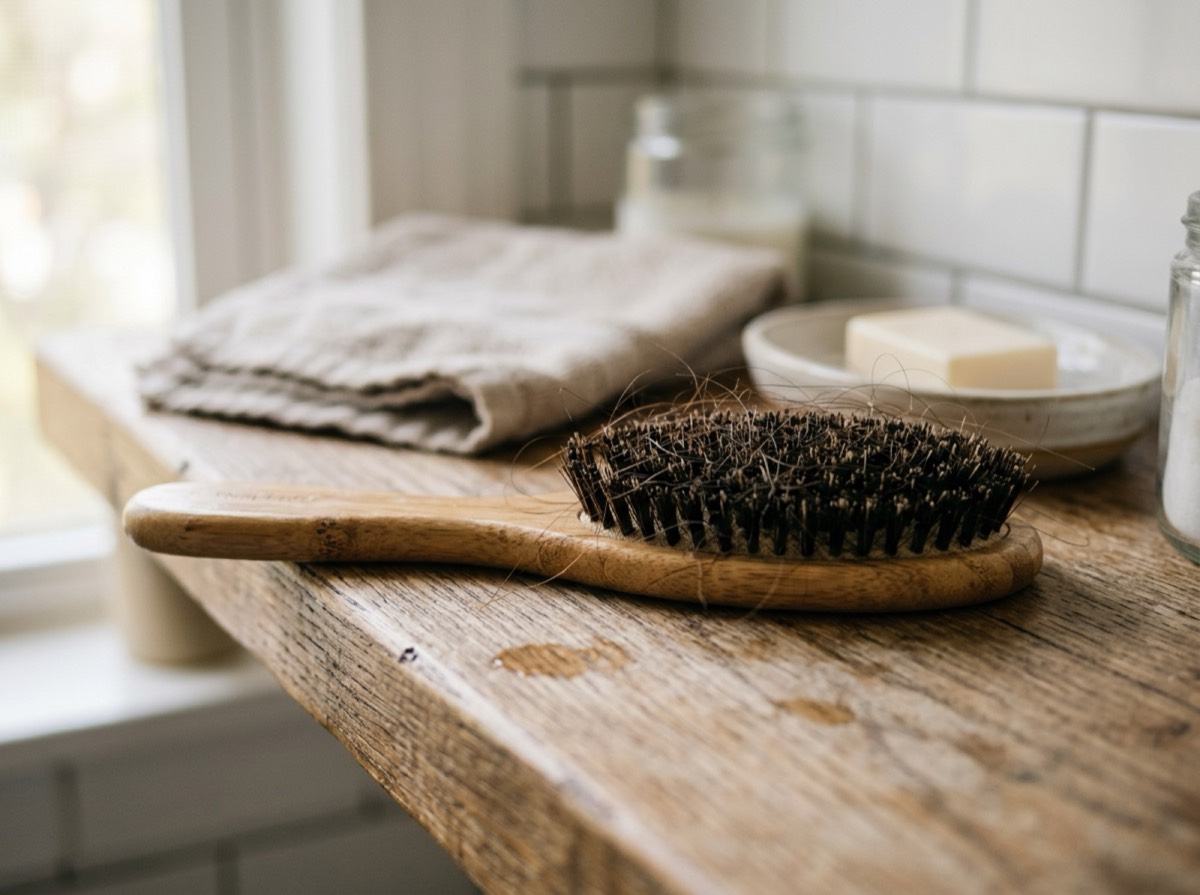
Finding more hair in the shower, on your pillow, or wrapped around your brush can feel alarming. Some hair shedding is normal, but an excessive or sudden change can make anyone wonder whether something is wrong.
The tricky part is that hair loss does not always mean the same thing. Sometimes the scalp is simply shedding more hairs than usual after stress, illness, hormonal change, or a new routine. Other times, increased shedding points to a medical issue that deserves proper assessment.
This article explains how hair shedding works, what can trigger it, and when it makes sense to speak to a GP, dermatologist, or trichologist. It is for general information only and is not a substitute for medical advice.
Normal hair shedding is part of the hair cycle
Hair grows in cycles. Each strand moves through phases of growth, transition, rest, and shedding. Because different hairs are in different phases at the same time, a certain amount of daily shedding is expected.
Many people shed around 50 to 100 hairs a day, though the exact number varies. Longer hair can make shedding look worse because each strand is more visible. Curly or textured hair may also appear to shed in larger amounts on wash day because loose hairs can stay caught in the hair until detangled.
The main stages of the hair cycle are:
- Growth phase. The hair actively grows from the follicle. This phase can last for years.
- Transition phase. Growth slows and the follicle begins to shift.
- Resting phase. The hair stays in place for a while but no longer grows.
- Shedding phase. The old hair falls out, making space for a new one.
When more hairs than usual enter the resting and shedding phases at once, shedding can become obvious. This often feels sudden, but the trigger may have happened weeks or months earlier.
Shedding and hair loss are not always the same
People often use “hair loss” and “hair shedding” to mean the same thing, but there is a useful difference.
Hair shedding means hairs are falling out from the scalp, often with a tiny white bulb at the end. The follicle is usually still active, so regrowth may happen once the trigger settles.
Hair loss can mean the follicle is producing thinner hair, producing hair more slowly, or no longer producing hair in an area. This may show up as part widening, a thinning crown, a receding hairline, or patchy bald spots.
Both can happen at the same time. For example, someone may have temporary heavy shedding after an illness while also having gradual inherited thinning. That is one reason a proper assessment can be helpful if the change lasts or worsens.
A simple way to think about it is this:
| What you notice | More likely to suggest shedding | More likely to suggest hair loss |
|---|---|---|
| Hair in the shower or brush | Yes | Sometimes |
| Sudden increase over weeks | Yes | Sometimes |
| Gradual thinning over years | Less likely | Yes |
| Wider parting or visible scalp | Sometimes | Yes |
| Smooth bald patches | Less common | Yes |
| Itching, pain, scaling, or redness | Needs assessment | Needs assessment |
Common reasons hair shedding suddenly increases
A noticeable increase in shedding often has a trigger. The scalp can react to changes in the body, even when the hair itself looks healthy.
Physical illness or fever can affect the hair cycle
A significant illness, high fever, surgery, or infection can push more hairs into the resting phase. The shedding often starts two to three months later, so people may not connect the two.
This pattern is often called telogen effluvium. It can feel dramatic because the hair comes out evenly across the scalp rather than in one small patch. In many cases, shedding improves once the body recovers and the trigger has passed, though regrowth takes time.
Stress can show up in the scalp
Emotional stress can also contribute to shedding. This does not mean stress is “all in your head” or that you caused the problem. Stress affects sleep, appetite, hormones, inflammation, and general health, all of which can influence hair growth.
Hair changes linked to stress can be frustrating because they appear after the stressful period, not always during it. A bereavement, major life change, demanding workload, or prolonged anxiety may all play a part.
Hormonal changes can shift growth patterns
Hormones influence the hair cycle. Shedding may increase after childbirth, after stopping or changing hormonal contraception, during perimenopause, or when thyroid levels are out of range.
Postpartum shedding is especially common. During pregnancy, higher hormone levels can keep more hair in the growth phase. After birth, those extra hairs may shed over a few months. It can look severe, but it usually settles.
Thyroid changes can also affect hair. Both underactive and overactive thyroid conditions may lead to shedding, along with symptoms such as tiredness, weight change, feeling unusually cold or hot, changes in heart rate, or changes in periods.
Nutrition and low iron levels can matter
Hair is not the body’s top survival priority. When nutrition is restricted or the body lacks key nutrients, hair growth may suffer.
Triggers can include:
- Very low-calorie diets
- Rapid weight loss
- Low protein intake
- Low iron stores
- Vitamin D or B12 deficiency
- Eating disorders or disordered eating
- Digestive conditions that affect absorption
Taking supplements without checking for deficiency is not always wise. Some nutrients can cause harm in high amounts. If poor nutrition or low iron is possible, blood tests are a safer starting point.
Some medicines can trigger shedding
Certain medicines may contribute to hair shedding in some people. This can include some treatments for acne, blood pressure, mood disorders, blood thinning, thyroid conditions, and other health problems.
Do not stop prescribed medicine without speaking to a clinician. If a medicine may be involved, a GP or pharmacist can help weigh the risks and alternatives.
Hair care habits can cause breakage or traction
Not every strand in the sink has fallen from the root. Some hairs break along the shaft. Breakage can look like shedding, but the cause and solution may differ.
Common causes include:
- Frequent bleaching or chemical processing
- Heat styling without protection
- Tight hairstyles that pull on the roots
- Rough brushing or detangling
- Tight extensions, braids, buns, or ponytails
- Sleeping with wet hair tied tightly
Traction alopecia can develop when hair is pulled tightly for long periods. Early changes may improve if tension stops. Long-term traction can cause more lasting thinning, especially around the hairline and temples.

Signs that shedding is more than a normal phase
A short period of extra shedding is not always a reason to panic. Still, some signs deserve attention.
Speak to a GP or a qualified hair specialist if you notice:
- Shedding that lasts longer than a few months. Temporary shedding often improves, but ongoing hair fall should be checked.
- Patchy bald spots. Round or irregular patches can point to conditions such as alopecia areata or scalp infection.
- Scalp symptoms. Itching, burning, pain, redness, scaling, crusting, or spots may suggest inflammation or infection.
- Sudden severe shedding. Large clumps or rapid thinning should be assessed, especially if it feels unusual for you.
- A widening parting or thinning crown. This may suggest patterned hair loss, which is often gradual.
- Hairline recession or temple thinning. This can be inherited, traction-related, or linked to other causes.
- Changes across the body. Loss of eyebrow, eyelash, beard, or body hair may need medical review.
- Other symptoms. Fatigue, heavy periods, irregular periods, weight change, acne, increased facial hair, or feeling unwell can point to underlying causes.
If hair loss comes with signs of infection, such as a painful swollen scalp, pus, fever, or rapidly spreading redness, seek medical advice promptly.
What a clinician may ask or check
A good hair assessment starts with a clear history. Try to think back over the last six months, as hair often responds late to triggers.
You may be asked about:
- When the shedding began
- Whether it happened suddenly or gradually
- Recent illness, surgery, fever, or COVID-like illness
- Stressful events or major life changes
- Pregnancy, birth, menopause, or contraception changes
- Diet, weight changes, or digestive symptoms
- Medicines and supplements
- Family history of thinning hair
- Hair styling, colouring, extensions, or tight hairstyles
- Scalp symptoms such as itching or soreness
A clinician may examine the scalp, look at the pattern of thinning, and gently test how easily hairs come out. They may request blood tests, often to check iron stores, thyroid function, vitamin levels, inflammation markers, or hormone-related concerns if symptoms suggest them.
In some cases, referral to dermatology is needed. A dermatologist can use closer scalp examination and, rarely, a small scalp biopsy if the diagnosis is unclear.
What you can do while you work out the cause
While waiting for shedding to settle or for an appointment, focus on steps that protect the scalp and support general health.
Treat the hair gently
Gentle care will not fix every cause of shedding, but it can reduce breakage and prevent avoidable damage.
Try to:
- Use a mild shampoo that suits your scalp
- Detangle slowly, starting from the ends
- Use a wide-tooth comb on fragile or textured hair
- Avoid tight hairstyles that pull at the roots
- Reduce frequent heat styling
- Be cautious with bleach, relaxers, and harsh chemical treatments
- Avoid brushing aggressively when hair is wet and stretched
If the scalp feels sore, itchy, or inflamed, avoid applying strong oils, acids, or home remedies without advice. Some products can irritate the scalp further.
Eat enough, especially protein and iron-rich foods
Hair growth needs steady nutrition. Aim for regular meals with protein sources such as eggs, fish, poultry, beans, lentils, tofu, yoghurt, nuts, or seeds. Iron-rich foods include red meat, beans, lentils, spinach, fortified cereals, and shellfish.
Vitamin C helps the body absorb plant-based iron, so pairing iron-rich foods with citrus, peppers, berries, or tomatoes can help.
If you follow a vegan or vegetarian diet, have heavy periods, or have recently lost weight quickly, it may be sensible to ask about blood tests before starting supplements.
Track the pattern without obsessing
It is easy to start counting every strand, but that can increase anxiety. Instead, take a simple, consistent approach.
You might:
- Take a photo of your parting in the same light once a month
- Note wash days and whether shedding seems heavy, moderate, or normal
- Record recent illness, stress, diet changes, or medicine changes
- Watch for regrowth, such as short new hairs along the hairline or parting
Monthly tracking is usually more useful than daily checking. Hair changes slowly, and the mirror can be misleading from one day to the next.
Treatments depend on the diagnosis
There is no single treatment for shedding because the right approach depends on the cause.
Temporary shedding may improve once the trigger resolves. Patterned hair loss may need long-term treatment to maintain density. Scalp conditions may need medicated shampoos, anti-inflammatory treatments, antifungal medicine, or other prescribed care. Nutrient deficiencies need careful correction. Traction-related loss needs tension removed as early as possible.
Over-the-counter treatments can help some types of hair loss, but they are not right for every case. Some treatments also require ongoing use to maintain results. If you are pregnant, breastfeeding, trying to conceive, or managing a medical condition, ask a clinician before starting hair loss products.
Be cautious with products that promise fast regrowth. Hair grows slowly, and meaningful improvement usually takes months. A realistic plan is better than a shelf full of expensive products that do not match the cause.
When to seek help sooner rather than later
Book medical advice if shedding is worrying you, especially when it is new, heavy, or linked with other symptoms. You do not need to wait until hair loss becomes severe.
Seek help sooner if you have:
- Sudden bald patches
- Scalp pain, redness, swelling, or scaling
- Shedding after starting a new medicine
- Heavy periods or symptoms of low iron
- Signs of thyroid change
- Rapid thinning over weeks
- Hair loss in a child
- Hair loss with general illness or unexplained weight change
Early advice can make a real difference, especially for inflammatory scalp conditions, traction alopecia, and patterned hair loss. It can also reduce the stress of guessing.
The main takeaway
Losing more hair than usual can be unsettling, but it is not always permanent. Hair shedding often follows a trigger such as illness, stress, hormonal change, nutritional change, or medication, and it may appear months after the event.
The key is to look at the pattern. Extra hair in the brush for a short period may settle. Patchy loss, scalp symptoms, ongoing shedding, or visible thinning deserves proper assessment.
Treat your hair gently, support your general health, and seek help if the change continues or feels unusual. The sooner you understand the cause, the sooner you can choose the right next step.